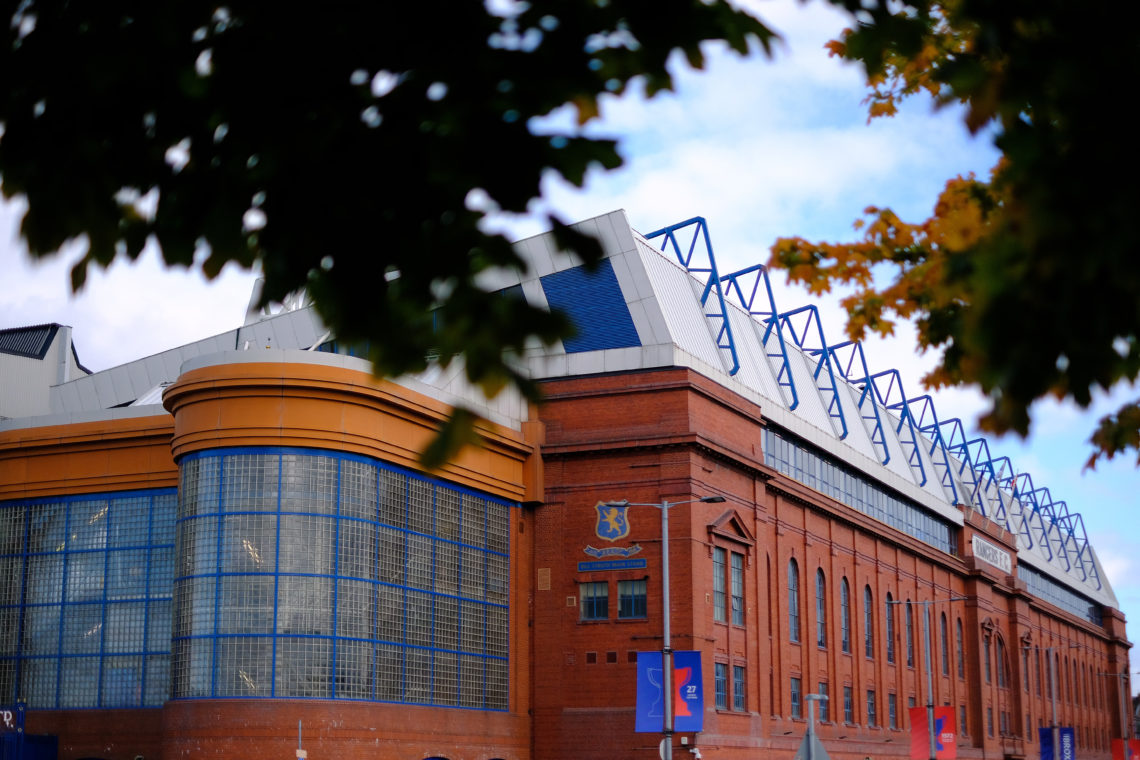


Rangers ended last season with a whimper and it was hoped that Philippe Clement and Nils Koppen would be given a helping hand from the board ahead of the new campaign.
Instead, they have made matters worse with the delays to work at Ibrox which in turn has only ramped up the pressure on the recruitment and playing squad.
The worrying thing now is that costs will spiral and that the transfer budget will be affected as a result.
No plan has yet been announced with Hampden and Murrayfield being the most likely short term possibilities.
International breaks are usually a nightmare but on this occasion the fixture list will help to minimise how many home games are missed, add this to the SPFL being willing to help out and there are other possibilities – this doesn’t help the radio silence though.
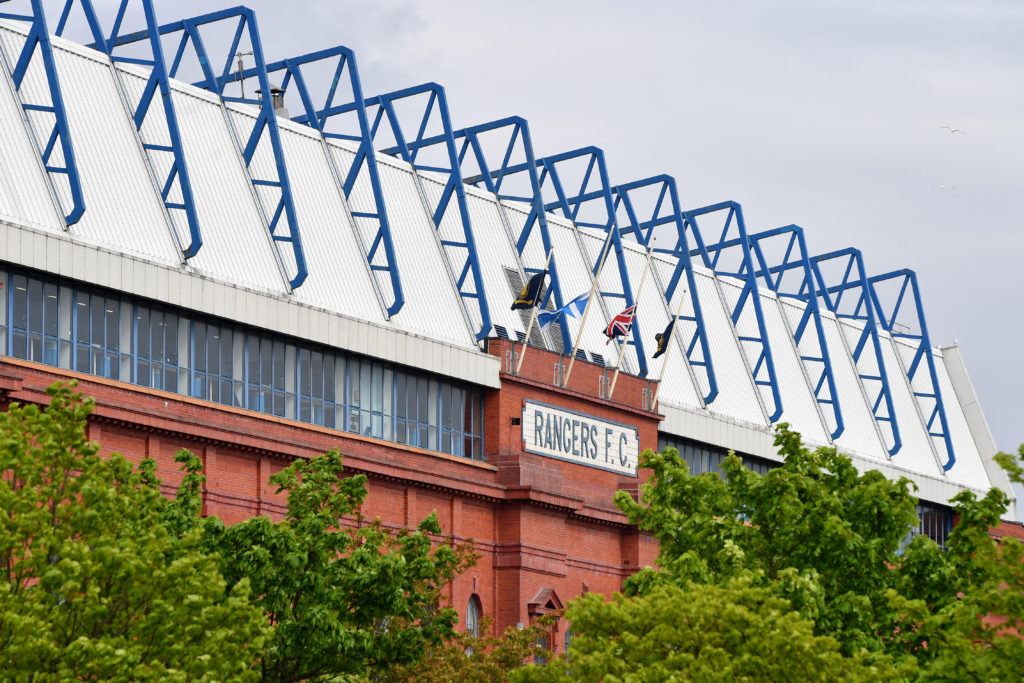
How Rangers finances be hit by Ibrox lockout
The initial announcement didn’t give much away other than an implication of where liability lay:
“Rangers has recently been advised of a delay in a materials shipment from Asia which is likely to have an impact on the programme for the completion of the Copland Stand works.
“It is therefore expected, unfortunately, that there will be an impact on matches at Ibrox at the beginning of the 2024-25 competitive season.
“The club has engaged with the SPFL and UEFA in order to review planned contingency arrangements. Naturally, everyone at Rangers is deeply disappointed with this news.
“The club is working intensively to ensure that all steps are taken to deliver the project at the earliest possible date and a further progress update will be issued to supporters in due course.”
Speaking to Rangers News, football finance expert Adam Williams explained how the club’s revenue could be affected by the loss of footfall around Ibrox:
“There are a number of moving parts here.
“If we look at Spurs’ temporary residency at Wembley before they moved to their new stadium in 2019, for example, matchday income didn’t suffer.
“In fact, it reached record levels, with the cost of the rental agreement more than offset by the added ticketing revenue.
“However, that move was pre-planned and supporters who had committed to season tickets knew what they were purchasing.
“That is not the case at Rangers, where tens of thousands of fans are learning of this after already forking out several hundred pounds.
“Ibrox and Hampden have roughly the same capacity, so on face value I’d expect to see ticketing income stay at about the same level for however long they play at the stadium.
“But you then have to subtract the cost of the rental agreement, plus lost income in terms of merchandise sales, refreshments etc, as well as a potential reduction in ticket prices for fans’ inconvenience.
“Then there are factors such as lost sponsorship income. I don’t think this will move the dial that much, but some commercial partners might not necessarily be happy about paying to have their brand associated with Ibrox, only for that to turn out not to be the case.”
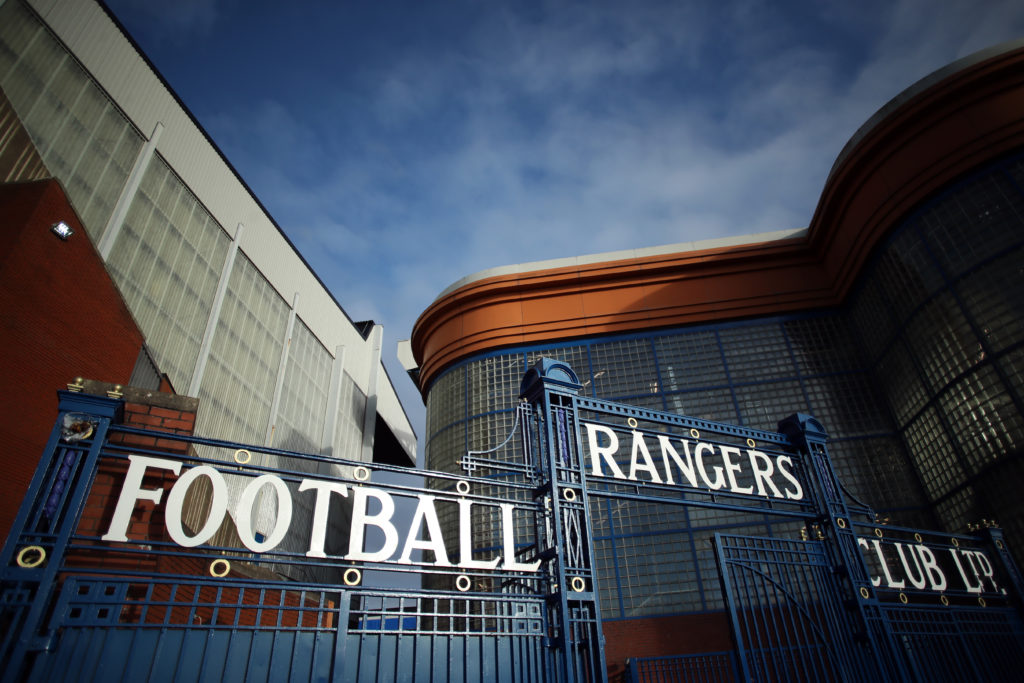
Rangers loss won’t just be felt in Ibrox
The biggest impact could be felt at New Edmiston House.
Not only is the club shop and museum busy on match days, so too is the events facility on the ground floor where fans can congregate in shelter before and after games.
The former superstore is being converted into a sports bar too and the G51 project is being hindered by the work to the Copland Road stand.
The board confirmed that any excess costs will be met by them so they are at least paying for their own mistakes.
As Williams said, there are more factors than just renting another ground to consider and whilst Spurs were prepared, Rangers have been caught napping and it is going to hit them where it hurts most – in their pockets.