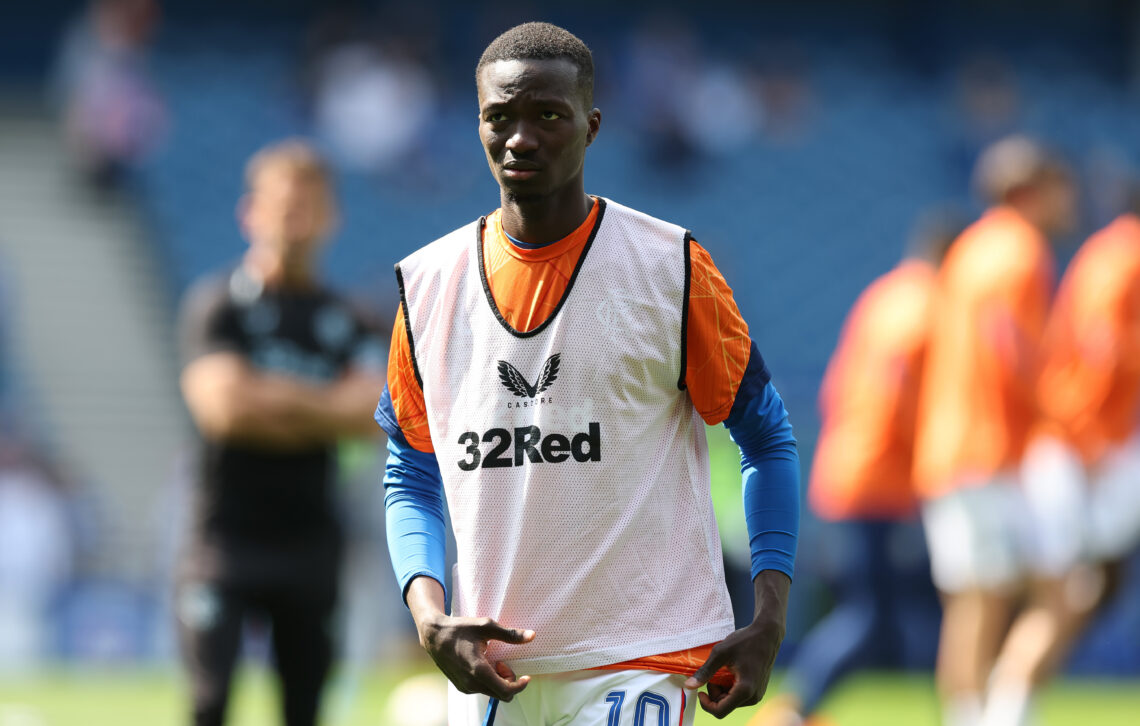


Rangers midfielder Mohamed Diomande could have missed the rest of the season with a dislocated shoulder, according to Dr Rajpal Brar.
However, with Danny Rohl confirming that he was in training ahead of the Aberdeen game on Saturday, those fears have been allayed.
The Ivory Coast international missed the 1-0 win over St Mirren due to the injury, but appears to be on the right track to recovery.

Mohamed Diomande likely suffered a Grade 1 injury
Dr Brar, an injury expert and sports scientist, claims that Diomande likely suffered a Grade 1 injury as he is already back in training.
Initially, without Rohl’s update, the possibility existed of him being ruled out for the rest of the season.
He may even have required surgery, but now that will not be needed, and he will aim to return to 100 per cent fitness as soon as possible.
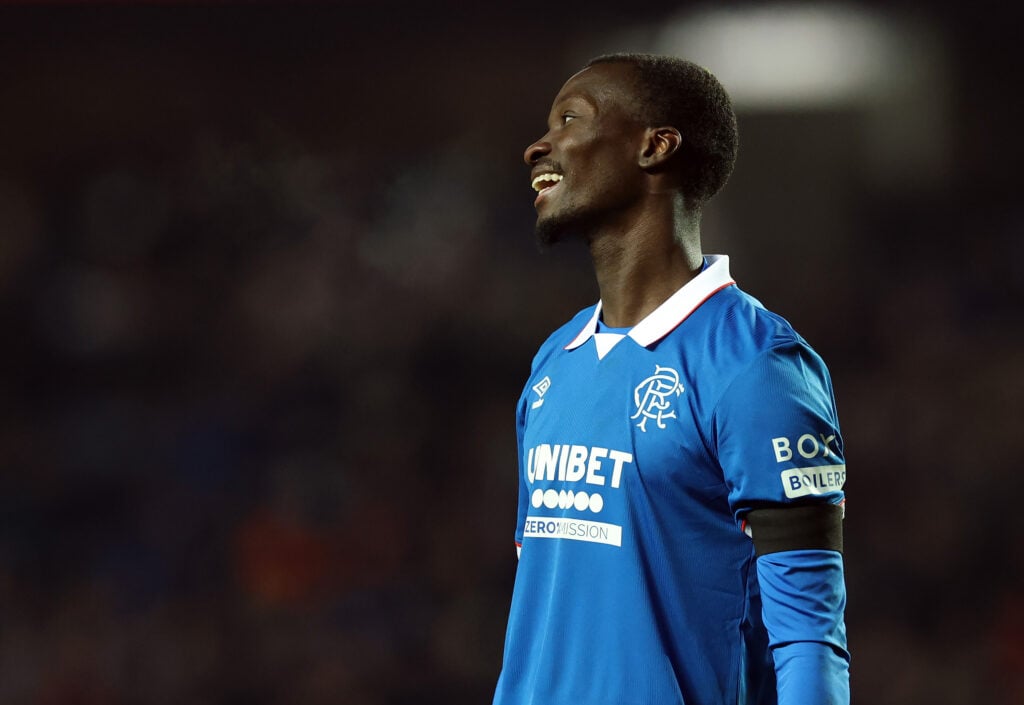
Dr Brar exclusively told Rangers News: “A shoulder dislocation means he has damaged ligaments in the shoulder, which led to the shoulder ‘popping out’, aka dislocating.
“The timeline of his first-team return really depends on the extent of damage.
“If it’s a mild Grade 1 sprain, then looking at days to weeks, if it’s a moderate Grade 2 then looking at weeks to months with potential for surgery depending on badly damaged the ligaments are and/or there’s recurrent instability and finally, if it’s a Grade 3 severe then surgery will be required and looking at over three months out.
“As he is already back in training, it looks like a Grade 1, and it will be a relief for everyone, as his season could have potentially ended.“
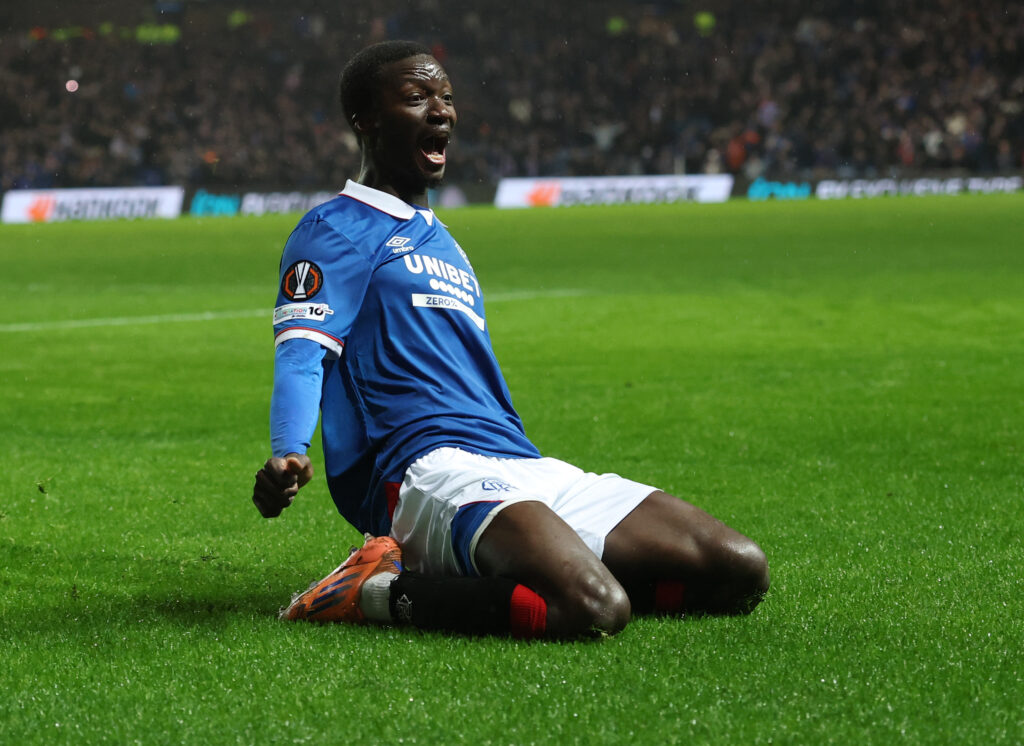
Diomande could start for Rangers vs Aberdeen
The wellness expert also claimed that he could be ready to start the game against Aberdeen if his injury is mild enough.
However, the rehab is expected to continue based on how severe the injury is, and accordingly, his game time will also be limited.
Dr Brar continued: “He may even be ready to start the next game if the injury is mild enough.
“The rehab will be dictated by the extent of injury, but generally needs to allow for healing of the ligaments and any other damaged anatomy, and then begin to gradually build back strength, mobility and control.”