Philippe Clement finally has the structure above him to concentrate on the day job of preparing Rangers, rather than having to field questions about finances and matters off the pitch.
The immediate priority is closing the gap to Celtic, with the manager making tactical changes to free up players in the attacking third, helped by the strengthening of the squad as key individuals return to fitness and form.
Previous complaints about style of play and formation have gone quiet and, despite only winning 1-0 in the last fixture against Dundee, it is no time to rip up Rangers’ game plan up and start again.
- READ MORE: Pundits reckon James Tavernier is back to his best and name Rangers teammate ‘hitting top form’
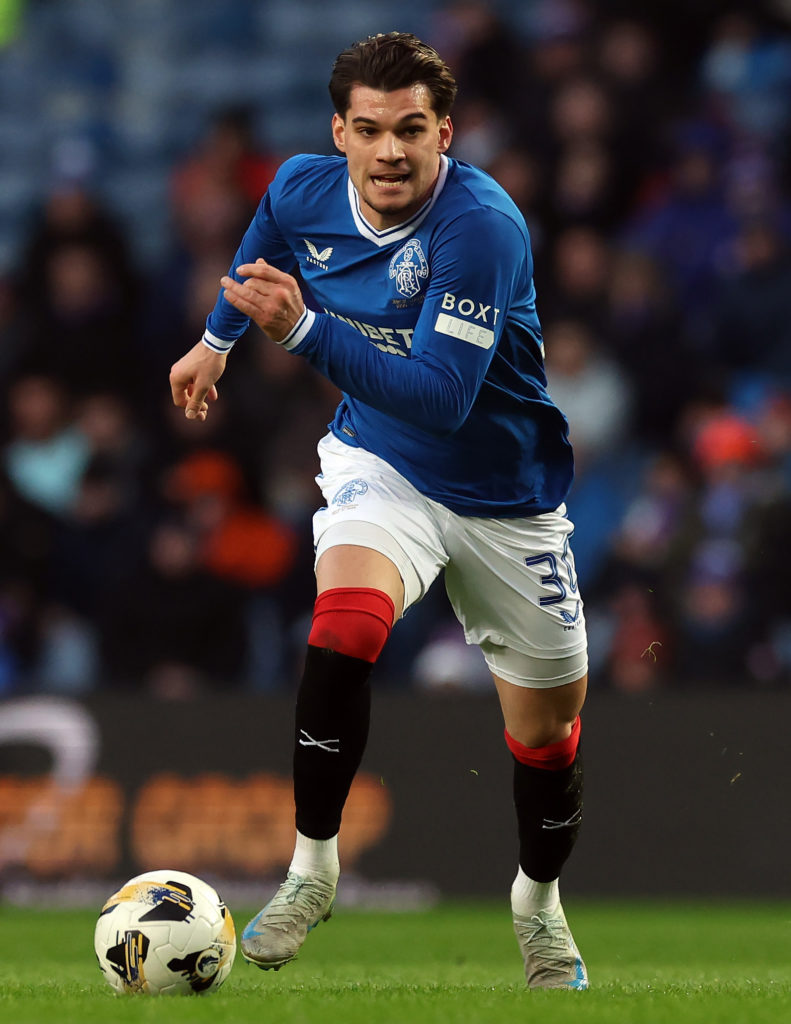
Philippe Clement finally takes the handbrake off Rangers
Five games is a relatively small sample size, however, since the last international break, Clement has seen a vast improvement in terms of expected goals, both for and against.
The bigger the gap between the two on a consistent basis, the more likely Rangers are to mount a challenge at the top of the table.
A smaller gap, and there is always a risk of points being dropped.
Against Dundee Utd, Ross County, St Johnstone, Kilmarnock and Dundee, the biggest expected goals against has been 0.74 up in Dingwall, the next highest figure is 0.53 when points were dropped at Ibrox against Utd.
In short, Rangers aren’t giving up the same chances that they were previously.
What is the biggest difference in Rangers fortunes?
The biggest improvement though, has been in chance creation with Clement’s pleas for patience now making sense.
Rangers are now averaging over 2.5 for expected goals for, and against Dundee created more chances than in the 6-0 hammering of Kilmarnock – previously, this figure struggled to get over 1.5.
Despite Tony Docherty’s claims, a similar scoreline would not have flattered Rangers.
Not only are the Light Blues being more incisive on the counter attack, they are also opening up teams who have been setting up with a low block.
How they are doing this is by allowing the front four to rotate more and interchange with the full-backs providing the width and central midfielders covering.
If Rangers stick to this plan of varying the attack and by moving the ball quickly between the lines, hope might not yet be lost.