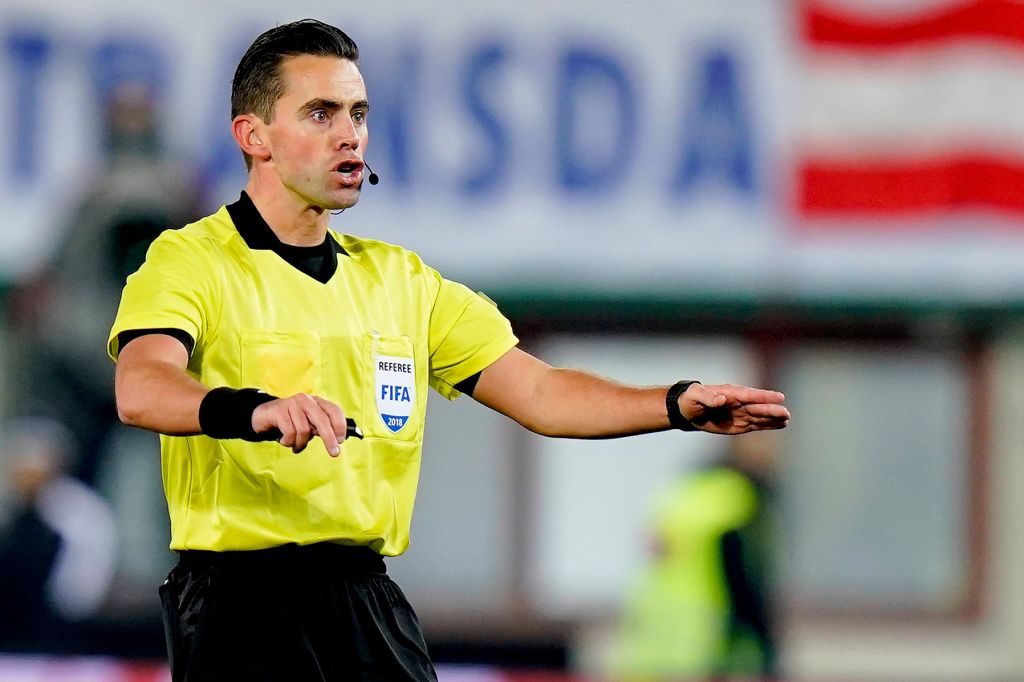


As the dust settles on Rangers’ goalless draw with Aberdeen this weekend there wouldn’t have been one supporter in Ibrox who thought we had done enough to win that game – even if we have bemoaned the officials.
Apart from a chance falling to the rusty Alfredo Morelos in the second half, Steven Gerrard’s side didn’t do enough to earn all three points.
But is there something to be said about how the referee enabled Aberdeen to employ tactics which breach the laws of the game?

This isn’t sour grapes. Aberdeen frustrated the life out of Rangers and were disciplined in their game plan.
They were also unlucky not to escape Glasgow with all three points themselves.
If it wasn’t for Rangers keeper Allan McGregor, they may well have.
That said, persistent fouling is against the rules of the game yet referee Andrew Dallas allowed Aberdeen to consistently break up the play using this tactic without punishment.
It’s easy to nip in the bud – a yellow card means players stop fouling as they run the risk of being sent off.
Aberdeen know this and have been smart about it in the past.
Last season, Aberdeen beat Rangers 2-0 at Ibrox in a Scottish Cup replay and got eight yellow cards in the process.

The tactic was clearly to persistently foul Rangers and when you get a yellow ease off for someone else to do it instead.
This meant they could disrupt the side’s rhythm and spread the yellows throughout the team.
In Saturday’s match, Derek McInnes must’ve been rubbing his hands in glee as Dallas somehow refused to book Sam Cosgrove and co despite foul, after foul, after foul.
Connor Goldson was incredibly booked for having the audacity to point out the foul count to Dallas.

The referee enabled Aberdeen to behave like this and not only is it a sad indictment of his ability to officiate a match correctly, but also of the Scottish game.
Just because Rangers are a better team technically, it doesn’t mean Aberdeen should be given leeway to bend the rules of the game in order to compete.